

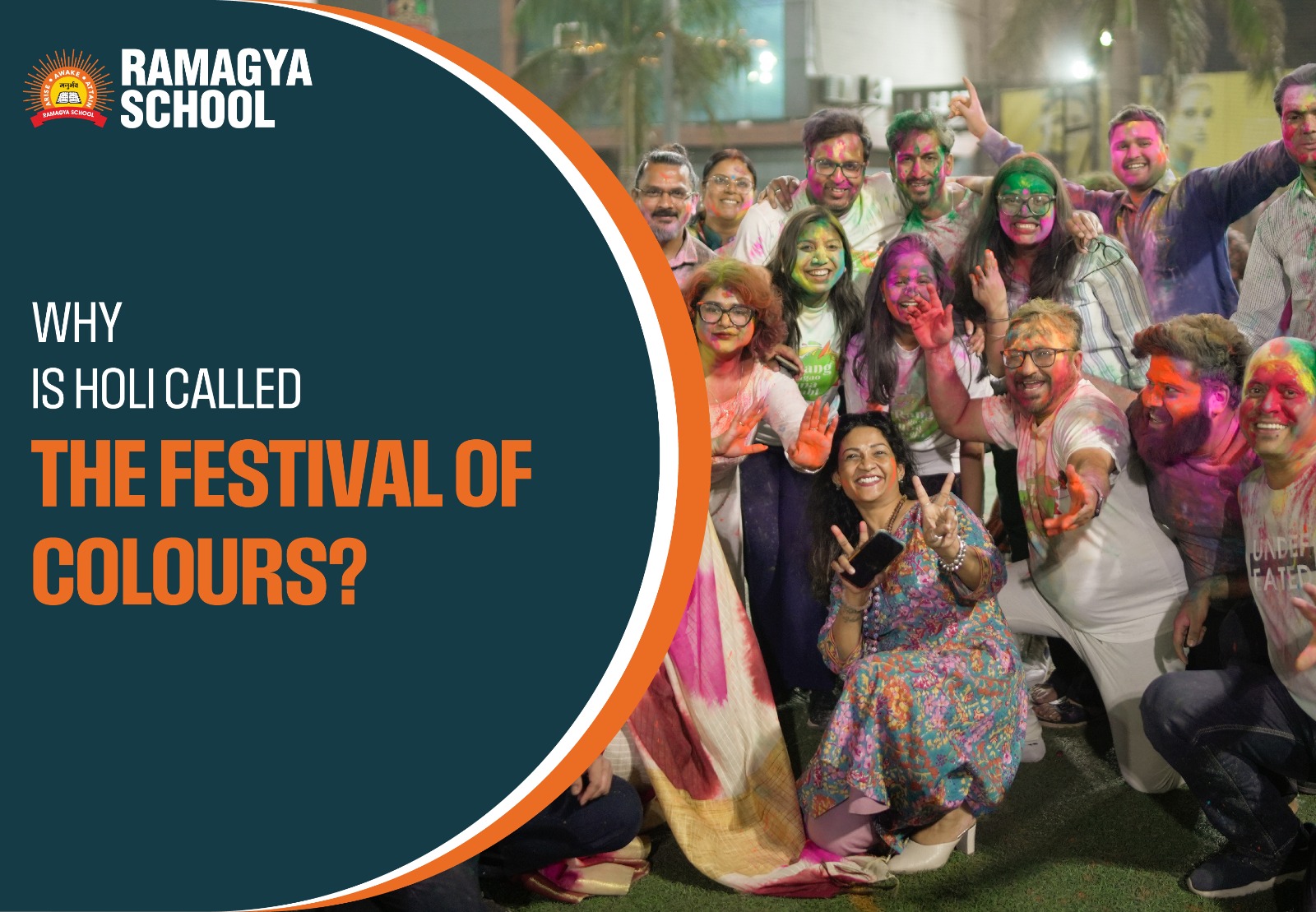
Holi is among the happiest festivals in India. On this day, people play with bright colours, also known as gulal, splash colourful water, dance, and have lots of fun together. Colours are everywhere, in the air, on faces, on clothes, and in our hearts. This is the reason it is called “festival of colours.”
However, Holi celebration is not just about playing with colors. Every colour, every custom, and every tradition has a special meaning. They are connected to different stories, nature, and human relations.
A Celebration of Spring
One of the main reasons that holi is called the festival of colours is because it celebrates the arrival of spring. After the cold winter months:
- Flowers start blossoming again in pretty colours
- Trees start growing fresh leaves again
- Weather feels warm, comfortable, and nice
The bright colours people use during holi just gives the same sense of nature becoming colourful again. The world feels alive, and happy as it is celebrated with lots of happiness and laughter. This makes holi the perfect way to welcome a new season filled with hope and freshness.
The Mythological Story Behind Holi
The origin of Holi is rooted in the tale of Prahlad and Holika that teaches us a very important life lesson.
Prahlad was a little child who believed in honesty and goodwill. His father, King Hiranyakashipu wanted everybody to worship him instead of God. When Prahlad refused to do so, he tried to punish him.
Holika, the king’s sister, had a supernatural power that protected her from fire. She sat with Prahlad in his lap in burning fire to cause harm to him as per the King’s command. But, because Prahlad had pure faith in Lord Vishnu, he was saved while Holika was burned.
What does this story teach us?
- Good always wins over evil
- Pure truth and faith always protects us
- Being proud and unkind will lead to downfall in life
Even today, people light a bonfire known as Holika Dahan on the night before Holi to celebrate and remind each other that goodness will always win over evil.
The Story of Radha and Krishna
Another beautiful reason for holi celebration and playing with colours comes from the story of Lord Krishna and Radha.
It is believed that when Krishna was a little child he once felt sad because of his dark complexion whereas Radha’s complexion was fair. He patiently asked his mother why they didn’t look the same. His mother jokingly suggested that he could apply colour on the face of Radha.
Krishna playfully did so, and this became the symbol of joy, love, and acceptance. This is the reason why people now put colours on the face of each other playfully to signify their bond and friendship.
This tradition teaches us:
- Love is more important than looks
- Life should be full of fun and laughter
- Differences should be celebrated, not criticised
Colours That Carry Meaning
Colours used during Holi aren’t chosen randomly. In the past, they were made from flowers, herbs, and natural ingredients, and each colour has a symbolic meaning.
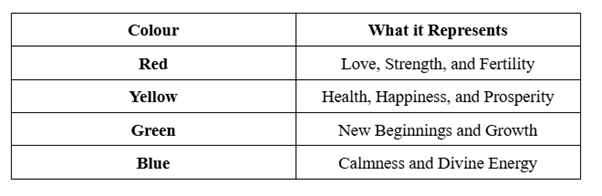
These colours express the emotions that people want to share with others like joy, prosperity, and peace.
A Festival That Removes Differences
One of the best aspects of Holi celebration is how it brings people closer. When everyone is covered in colours:
- You can’t tell who is rich or poor
- You cannot tell age, status, or background
Everyone celebrates it with the same energy, they hug each other, eat sweets together, dance together and most importantly everybody looks the same – cheerful and colourful.
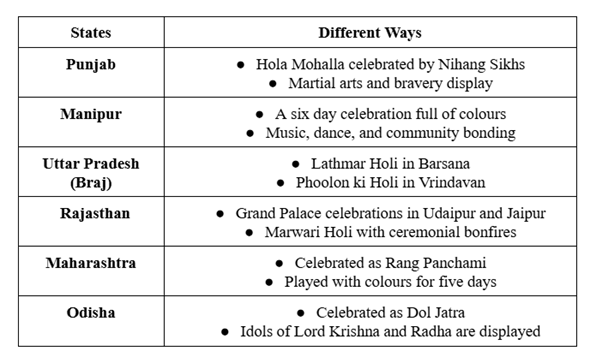
Traditions That Make Holi Special | Different States, Different Celebrations
Holi is celebrated in many fun ways in India:
The Real Meaning of the Festival of Colours
Holi is called the Festival of Colours not only because we throw colours, but because it fills our lives with:
- Love and friendship
- New beginnings and happy thoughts
- Faith and goodness
- Togetherness and sharing
It reminds us to smile more, forgive quickly, and welcome new starts just like spring brings new flowers.
Also read: Celebrating Rakhi in School: A Bond of Love and Respect
FAQs
- Why is Holi called the Festival of Colours?
Holi is called the Festival of Colours because people celebrate by applying coloured powders and water to mark joy, unity, and the arrival of spring.
- What does Holika Dahan symbolize?
It is a symbol of victory for goodness over evil, based on the story of Prahlad and Holika.
- How is Holi connected to Lord Krishna?
The tradition of applying colours comes from Krishna playfully colouring Radha, which became a symbol of love and acceptance.
- Do the colours of Holi have meanings?
Yes. Colours represent emotions like love (red), prosperity (yellow), and new beginnings (green).
- What is the main message of Holi?
The festival teaches unity, forgiveness, happiness, and starting life with a fresh and positive outlook.